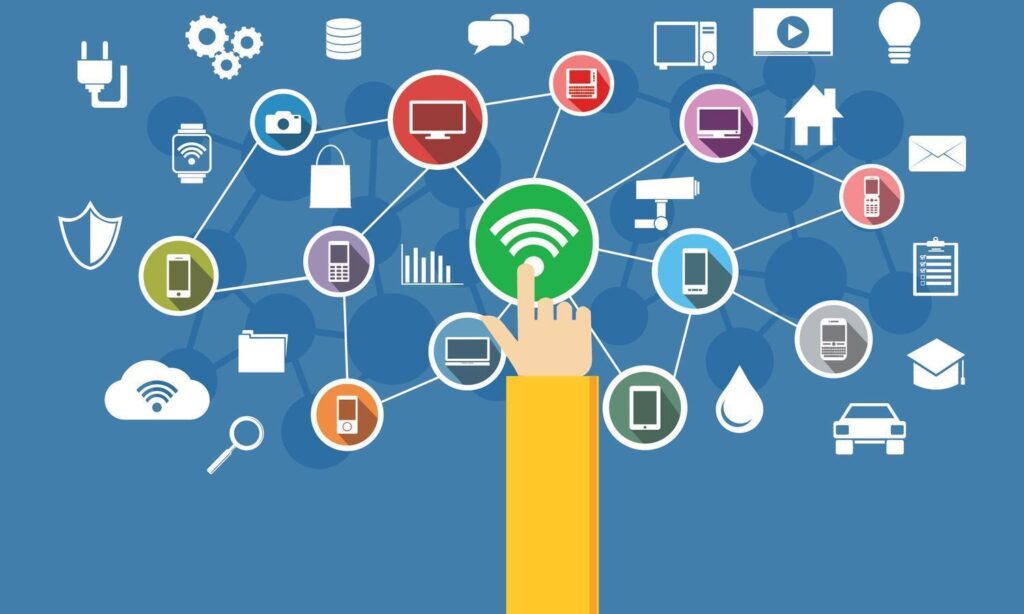
The internet has become a regular part of daily life. People use it for learning, work, shopping, and social connection. With so much time spent online, the way people behave on the internet matters more than ever. Online behavior shapes how others see us, how safe we feel, and how healthy online spaces remain. This blog explains what online behavior is, why it matters, and how people can improve their actions online for better personal and social outcomes.
What Is Online Behavior?
Online behavior refers to how people act, communicate, and respond while using the internet. This includes comments on social media, emails, messages, posts, and even silent actions like liking or sharing content. Every action leaves a digital trace that can affect others. Online behavior reflects personal values, mood, and awareness. Even small actions can influence discussions, relationships, and online culture in positive or negative ways.
Why Online Behavior Matters
Online behavior matters because it affects real people, not just screens. Words written online can encourage, hurt, or mislead others. Poor behavior can create stress, fear, or conflict, while respectful behavior builds trust and healthy discussion. Online actions also affect personal reputation, career chances, and mental well-being. Since the internet never truly forgets, behavior today can have long-lasting effects in the future.
You may also like to read about: Digital identity
Differences Between Online and Offline Behavior
Many people behave differently online compared to real life. Online spaces sometimes feel anonymous, which can reduce fear of consequences. This can lead to rude comments, false information, or aggressive language. Offline, people usually think more before speaking. Online behavior lacks facial expressions and tone, which can cause misunderstanding. Knowing this difference helps people communicate more clearly and avoid unnecessary conflict.
Common Types of Online Behavior
Online behavior comes in many forms. Some people share helpful knowledge, while others focus on jokes, opinions, or personal stories. There is also harmful behavior like trolling, harassment, and spreading rumors. Passive behavior includes reading without interacting. Each type plays a role in shaping online spaces. Understanding these behaviors helps users recognize patterns and make better choices while interacting online.
Positive Online Behavior
Positive online behavior includes respectful communication, honest sharing, and thoughtful responses. It means listening to others, even when opinions differ. Supporting others through kind comments or helpful advice creates safer spaces. Positive behavior also includes reporting harmful content and avoiding false information. When users act responsibly, online platforms become more useful, welcoming, and productive for everyone involved.
Negative Online Behavior
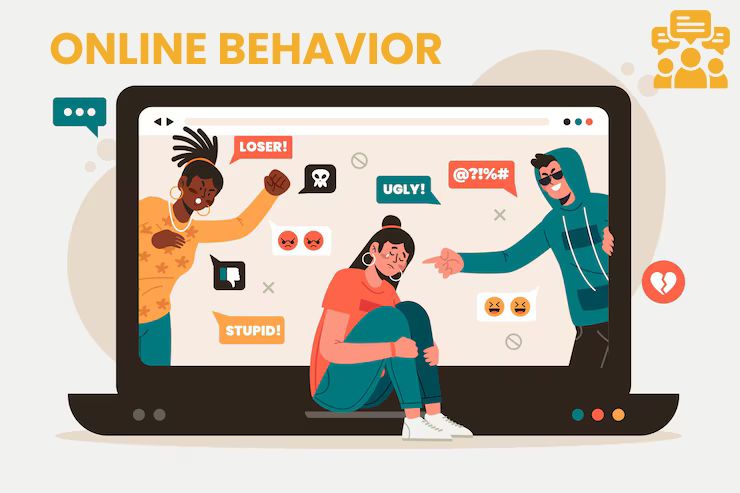
Negative online behavior includes insults, threats, false claims, and personal attacks. This type of behavior often leads to stress and fear for others. Cyberbullying is a major issue that affects mental health, especially among young users. Negative actions can spread quickly and damage trust. Many people regret things they post during anger or frustration, which shows why self-control online is important.
Online Anonymity and Its Impact
Anonymity allows people to share ideas without revealing identity. This can protect privacy and encourage honesty. However, it can also lead to careless or harmful behavior. Some users feel free to say things they would never say face to face. Anonymity removes social pressure but also reduces responsibility. Balanced use of anonymity requires strong personal ethics and respect for others.
Social Media and Online Behavior
Social media platforms strongly influence online behavior. Likes, shares, and comments often guide what people post and how they respond. Some users seek attention or approval, which can shape behavior. Social media can promote helpful discussion, but it can also encourage comparison and conflict. Understanding platform rules and features helps users stay mindful of how their actions affect others.
Online Behavior and Mental Health
Online behavior can impact mental health in many ways. Positive interactions can create a sense of belonging, while negative experiences may cause anxiety or sadness. Constant exposure to arguments or criticism can feel overwhelming. People should protect their mental health by setting boundaries, taking breaks, and avoiding harmful discussions. Choosing calm and respectful behavior also supports emotional well-being for everyone involved.
Cyberbullying and Harassment
Cyberbullying involves repeated harmful actions toward someone online. It includes insults, threats, and public shaming. Harassment can happen in comments, messages, or posts. Victims often feel helpless because content spreads quickly. Reporting abuse and offering support to victims helps reduce harm. Education about respectful communication plays a key role in preventing bullying and promoting safer online spaces.
Online Behavior in Professional Settings
Professional online behavior is important for careers and business growth. Emails, LinkedIn posts, and work chats reflect personal and company values. Poor behavior can harm job opportunities and professional relationships. Clear language, polite tone, and timely responses show reliability. Even personal accounts can affect professional image, so users should think carefully before posting content linked to work life.
Online Behavior and Privacy
Sharing personal information online requires caution. Oversharing can lead to privacy risks and identity misuse. Online behavior includes how users manage passwords, profiles, and personal data. Respecting others’ privacy is also important. Avoid sharing private details without consent. Responsible privacy behavior protects both personal safety and trust within online communities.
Role of Digital Literacy
Digital literacy helps people understand how online platforms work. It teaches users how to spot false information, use privacy settings, and communicate clearly. People with strong digital skills make better choices online. Learning about platform rules and online safety improves behavior. Schools and families play an important role in teaching these skills early to build responsible online habits.
Cultural Differences in Online Behavior
Online spaces bring together people from many cultures. What feels normal in one culture may seem rude in another. Language, humor, and communication styles differ widely. Being aware of cultural differences helps avoid misunderstanding. Respectful behavior means staying open-minded and patient. Learning from diverse viewpoints makes online interaction richer and more meaningful for everyone.
Online Behavior of Children and Teenagers
Young users often learn online behavior by watching adults and peers. Children may not fully understand consequences of online actions. Teaching kindness, privacy awareness, and self-control is important. Parents and teachers should guide young users instead of only restricting access. Healthy guidance helps children develop good habits that stay with them into adulthood.
Managing Conflicts Online
Disagreements are common online, especially on opinion-based topics. Handling conflict calmly helps prevent escalation. Avoid personal attacks and focus on ideas instead. Taking time before replying reduces emotional responses. Sometimes ignoring negative comments is the best option. Conflict management skills improve online behavior and keep discussions respectful and productive.
Building Healthy Online Communities
Healthy online communities rely on shared respect and clear rules. Moderators and users work together to maintain quality discussion. Encouraging positive contributions and discouraging harmful behavior helps everyone feel safe. Clear guidelines and fair moderation support trust. When users feel valued, they participate more openly and responsibly, strengthening the community as a whole.
Legal Consequences of Online Behavior
Some online actions can lead to legal trouble. Threats, hate speech, and false claims may break laws. Sharing copyrighted content without permission can cause penalties. Many users forget that online spaces are not law-free. Understanding legal boundaries helps people avoid serious consequences. Responsible behavior protects both freedom of expression and legal safety.
Improving Your Online Behavior
Improving online behavior starts with self-awareness. Think before posting and consider how others may feel. Use clear and respectful language. Verify information before sharing it. Take breaks when emotions run high. Learning from mistakes instead of defending them helps growth. Small changes in behavior can greatly improve online experiences for both yourself and others.
Future of Online Behavior
As technology grows, online behavior will continue to change. New platforms bring new challenges and opportunities. Artificial intelligence, virtual spaces, and faster communication will shape interactions. Ethical behavior will remain important despite changes in tools. People who focus on respect, honesty, and responsibility will adapt better and help create safer online environments for future generations.
Conclusion
Online behavior reflects who we are and how we treat others. Every comment, share, or message plays a role in shaping digital spaces. Positive behavior builds trust, while harmful actions create fear and division. By staying aware, respectful, and thoughtful, people can improve their online presence. Responsible online behavior benefits individuals, communities, and society as a whole.