
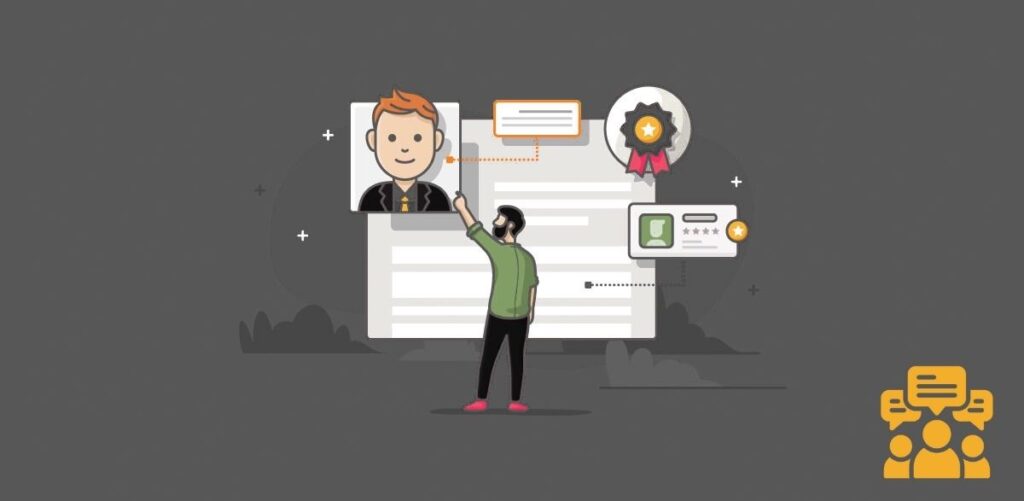
In today’s digital world, a professional online profile is no longer optional. It is often the first place employers, clients, or business partners learn about you. A strong profile helps you show your skills, experience, and personality in a clear way. This blog post explains what a professional online profile is, why it matters, and how you can build one step by step. You will also learn common mistakes to avoid and simple tips to keep your profile updated and effective.
What Is a Professional Online Profile?
A professional online profile is a public digital page that represents your career identity. It usually includes your name, photo, work experience, skills, education, and achievements. People use these profiles to understand who you are and what you can do. Platforms like LinkedIn, personal websites, and portfolio pages are common examples. This profile works like an online resume, but it also shows your personal brand and professional values.
Why a Professional Online Profile Is Important
A professional online profile helps you build trust before meeting anyone in person. Employers often search online before interviews, and clients check profiles before making contact. A clear profile can improve your chances of getting job offers or freelance work. It also helps you stand out in a crowded market. When done well, it gives others confidence that you are skilled, serious, and reliable.
You may also like to learn about: How to make Public Profile on Snapchat
Who Needs a Professional Online Profile?
Almost everyone can benefit from a professional online profile. Students can use it to apply for internships or entry-level jobs. Working professionals can show their growth and achievements. Freelancers can attract clients and projects. Business owners can build credibility for their brand. Even career changers can explain their new direction clearly. No matter your field, an online profile supports your career goals.
Choosing the Right Platform
The first step is selecting the right platform for your profile. LinkedIn is popular for most professions and industries. Designers and developers may prefer portfolio websites. Writers may use personal blogs. Choose a platform where your target audience is active. It is better to maintain one strong profile than many weak ones. Focus on quality, clarity, and regular updates to keep it useful.
Creating a Strong Profile Photo
Your profile photo is one of the first things people notice. Use a clear and recent photo with good lighting. Dress in a way that matches your industry standards. A simple background works best. Your face should be visible, and your expression should look friendly and confident. Avoid casual selfies or group photos. A good photo makes your profile feel more real and professional.
Writing a Clear and Honest Headline
The headline is a short line that explains who you are and what you do. It should be simple and specific. Instead of writing only your job title, explain your role or value. For example, say “Web Developer Helping Small Businesses Grow Online.” This helps people quickly understand your skills. A strong headline makes your profile more searchable and easier to remember.
Crafting an Effective Summary Section
The summary section gives you space to tell your story. Use simple language to explain your background, skills, and goals. Write in the first person to sound natural. Focus on what you do well and what you enjoy in your work. Avoid long lists or complex terms. A clear summary helps readers connect with you and understand your professional direction.
Listing Work Experience Properly
Your work experience section should explain what you did in each role. Start with your most recent job. Mention your responsibilities, achievements, and results. Use short paragraphs instead of long blocks of text. Try to explain how your work helped the company or clients. This section shows your practical skills and proves your experience in real situations.
Highlighting Skills That Matter
Skills are a key part of a professional online profile. List skills that are relevant to your field and current goals. Avoid adding too many unrelated skills. Focus on both technical and soft skills, such as communication or teamwork. Make sure your listed skills match your experience and summary. This helps others quickly see what you are good at and how you can help them.
Adding Education and Certifications
Education and certifications support your professional background. Include your degrees, courses, and any recognized training programs. Mention the institution name and completion year if possible. This section is important for students and early-career professionals. It shows your learning journey and commitment to growth. Keep the details short and clear to maintain easy reading.
Showcasing Achievements and Projects
Achievements and projects make your profile more interesting and real professional online profile. These can include awards, successful campaigns, completed projects, or published work. Explain each item briefly and focus on results. This section shows how you apply your skills in real work. It helps others understand your value beyond job titles and responsibilities.
Writing in Simple and Clear Language
Simple language makes your profile easy to read and understand. Avoid complex words or long sentences. Write as if you are speaking to a professional friend. Clear writing helps people from different backgrounds understand you. It also makes your profile feel more human and friendly. Good communication is a skill, and your writing style reflects that skill clearly.
Using Keywords in a Natural Way
Keywords help your profile appear in searches. These are words related to your job, skills, and industry. Use them naturally in your headline, summary, and experience sections. Do not force them or repeat them too often. Natural keyword use improves visibility while keeping the content readable. This balance helps both readers and search systems understand your profile.
Keeping Your Profile Updated
An outdated profile can harm your image. Update your profile whenever you change jobs, learn new skills, or complete projects. Regular updates show that you are active and serious about your career. Set a reminder to review your profile every few months. Small updates can make a big difference in how others see your professional growth.
Avoiding Common Profile Mistakes
Many people make simple mistakes on their online profiles. These include spelling errors, unclear descriptions, or missing sections. Some profiles sound too formal or too casual. Others include outdated information. Review your profile carefully and ask someone you trust for feedback. Fixing small issues can greatly improve the overall quality and impact of your profile.
Managing Privacy and Professional Image
Privacy is important when building an online profile. Share only information that supports your professional image. Avoid posting personal details that do not relate to your career. Check privacy settings on your chosen platform. A professional image builds trust and respect. Being careful about what you share helps protect your reputation in the long term.
Connecting and Networking the Right Way
A professional online profile also supports networking. Connect with people in your industry, classmates, and colleagues. Send polite and clear messages when reaching out. Do not send generic requests without context. Good connections can lead to learning, job opportunities, and collaboration. Networking works best when your profile clearly explains who you are and what you do.
Using a Personal Website for Extra Impact
A personal website can support your main profile. It allows you to share more details, samples, and contact information. You can link it from your professional online profile. A website gives you full control over content and design. It is useful for freelancers, creatives, and consultants who want to show their work in a structured way.
Measuring the Success of Your Profile
You can measure your profile’s success by tracking views, messages, and connection requests. Some platforms provide basic analytics. Notice if people contact you for jobs or projects. Positive results mean your profile is working well. If not, review your content and make improvements. Small changes in wording or structure can lead to better outcomes.
Conclusion
A professional online profile is a powerful career tool when used correctly. It helps you present your skills, experience, and goals in a clear way. By choosing the right platform, writing simply, and keeping your profile updated, you can improve your visibility and trust. Avoid common mistakes and focus on quality content. With steady effort, your professional online profile can support long-term career success.