Social media has become a strong part of daily life for people of all ages. Platforms like Facebook, Instagram, X, TikTok, and YouTube shape how we talk, learn, work, and relax. From sharing personal moments to following global news, social media affects society in many ways. This discussion focuses on the impact of social media on society and how it affects daily behavior, thinking patterns, and social values. By understanding these effects, readers can make better choices about how they use social platforms in everyday life. This blog post explains how social media influences communication, relationships, business, education, mental health, and culture. The goal is to give clear, useful information in simple English so readers can understand both the positive and negative sides.
What Is Social Media and Why It Matters
Social media refers to online platforms where people create content and interact with others. These platforms allow users to post text, photos, videos, and live streams. The growing impact of social media on society shows how strongly online platforms shape opinions, habits, and public discussions. This influence reaches beyond entertainment and plays a role in social awareness and community interaction. Social media matters because it connects millions of people within seconds. News, opinions, and trends spread fast, which can shape public thinking. Since so many people use social media every day, its effects reach families, schools, workplaces, and governments around the world.
Growth of Social Media in Modern Life
Over the past two decades, social media has grown quickly. Earlier, people depended on newspapers and television for updates. Now, a smartphone is enough to stay informed. Many people start and end their day by checking social apps. This growth has changed daily routines and habits. Social media is no longer just for fun. It now plays a role in education, marketing, activism, and even emergency communication.
You may also like to learn about: Internet communities and fan bases
Impact of Social Media on Communication
Social media has changed how people commuanicate with each other. Messages that once took days now take seconds. People can talk to friends and family living far away without any cost. Emojis, voice notes, and video calls make online talks more personal. At the same time, short messages can cause misunderstandings because tone and feelings are sometimes unclear in text-based chats. The impact of social media on society is clear in modern communication, where speed often matters more than depth. While messages travel fast, meaningful conversation sometimes suffers due to limited personal interaction.
Social Media and Personal Relationships
Social media helps people stay connected, but it can also affect relationships. On the positive side, it allows families and friends to share life events easily. Old friendships can be renewed through online platforms. On the negative side, too much screen time can reduce face-to-face talks. Some people feel ignored when others focus more on phones than on real conversations, which can create distance.
Influence on Youth and Teenagers
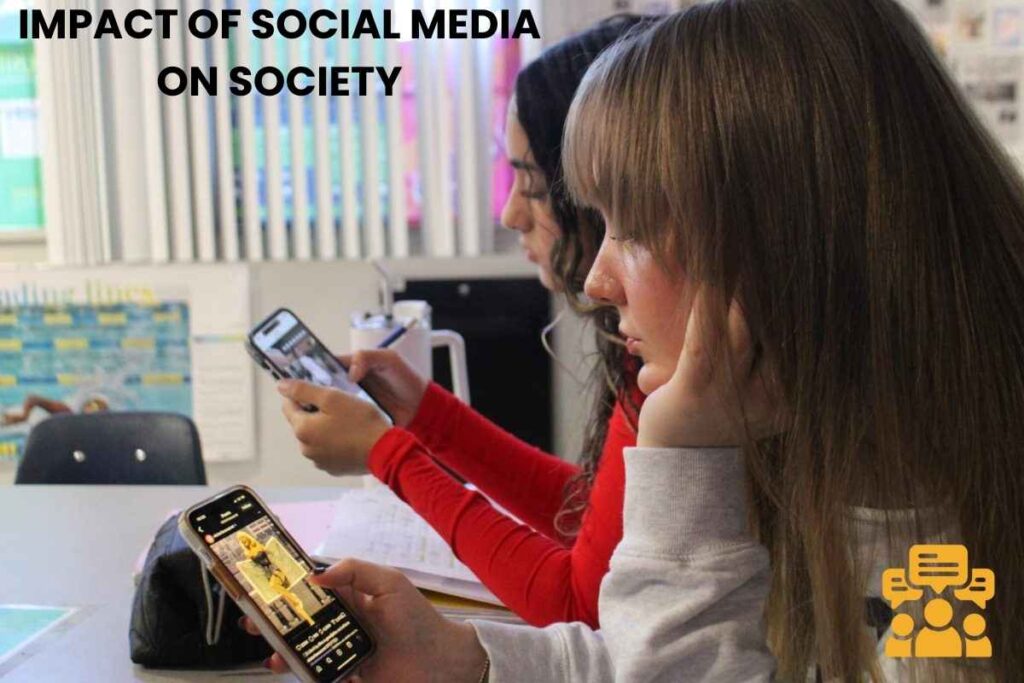
Young people are among the most active users of social media. These platforms help them learn new skills, follow interests, and express creativity. For young users, the impact of social media on society is especially strong because habits formed at an early age often continue into adulthood. This makes guidance and awareness very important for healthy emotional development. Teens can find support groups and feel less alone. However, constant comparison with others can lower self-confidence. Likes, comments, and followers may start to feel more important than real-life achievements, which can affect emotional growth.
Effects on Mental Health
Social media has a strong link with mental health. Positive content can motivate and inspire users. Many people find comfort in online communities during hard times. On the other hand, endless scrolling can cause stress and anxiety. Negative comments, online bullying, and fear of missing out can lead to sadness and low mood. Balanced use is important to protect mental well-being. When discussing mental well-being, the impact of social media on society cannot be ignored. Positive use can support mental health, but uncontrolled use may increase stress and emotional pressure.
Role of Social Media in Education
Social media has opened new ways of learning. Students can watch educational videos, join study groups, and follow teachers online. Learning is no longer limited to classrooms. Many experts share free lessons and tips on social platforms. Still, distractions are common. Students may find it hard to focus when social apps are always nearby, which can affect study time and results.
Impact on Business and Marketing
Businesses use social media to reach customers directly. Small brands can promote products without spending much money. Customer feedback is instant, which helps companies improve services. The impact of social media on society is visible in how buying decisions are made today. Many people trust online reviews and social recommendations more than traditional advertisements. Influencer marketing has also grown, where people promote products to followers. However, false reviews and misleading ads can harm trust. Businesses must act honestly to build long-term relationships with customers.
Social Media and News Sharing
News spreads faster through social media than through traditional media. People can get updates as events happen. This helps raise awareness about important issues. At the same time, fake news spreads just as fast. False stories can confuse people and create fear. Users need to check facts before sharing posts. Because of the strong impact of social media on society, people must learn to question sources and think critically. Responsible sharing helps reduce confusion and protects public trust. Responsible use helps keep information reliable and useful.
Impact on Culture and Trends
Social media plays a big role in shaping culture. Music, fashion, language, and lifestyle trends often start online. A simple video can influence millions of people worldwide. Cultural exchange has become easier, allowing people to learn about different traditions. Still, trends can change very fast, which sometimes pressures people to follow what is popular instead of what feels right for them.
Social Media and Political Awareness
Social media has become a tool for political discussion and awareness. People use it to share opinions, support causes, and organize events. It gives a voice to those who were unheard before. However, online arguments can become harsh. Political posts can divide people instead of bringing them together. Respectful discussion is needed to make political use more helpful.
Privacy and Data Concerns
Privacy is a major concern with social media use. The growing impact of social media on society has raised serious questions about data safety and personal control. Users now need to be more careful about what they share online. Many platforms collect user data for ads and content suggestions. Personal information can be misused if not protected properly. Users often share details without thinking about long-term effects. Strong passwords and privacy settings help reduce risk. Understanding how data is used allows people to make safer choices online.
Cyberbullying and Online Harassment
Cyberbullying is a serious issue on social media. Hurtful comments, fake accounts, and public shaming can cause emotional pain. Victims may feel scared or helpless. Reporting tools and blocking features can help, but they are not always enough. Education about kindness and respect online is important. Creating a safer online space requires effort from both users and platforms.
Impact on Work and Professional Life
Social media affects professional life in many ways. LinkedIn and similar platforms help people find jobs and build networks. Employers often check online profiles before hiring. A strong online presence can open new opportunities. Still, careless posts can harm careers. Mixing personal and work content without care may create problems. Thoughtful use helps maintain a good professional image.
Social Media and Social Movements
Many social movements have gained attention through social media. Online campaigns help spread messages quickly and gather support. Hashtags can unite people around a cause. This has helped raise funds and awareness for social issues. However, online support alone is not always enough. Real change also needs action beyond screens to make a lasting difference.
Time Management and Daily Habits
Social media can consume a lot of time if not managed well. Many people check apps without noticing how much time passes. This can reduce productivity and sleep quality. Setting limits and taking breaks helps maintain balance. When used with control, social media can be a useful tool instead of a distraction that takes over daily life.
Positive Uses of Social Media
Despite challenges, social media offers many benefits. It supports creativity, learning, and connection. People share skills, stories, and ideas that help others. During emergencies, social media helps spread important updates quickly. It also allows people to support charities and community projects. With mindful use, social media can add value to personal and social life.
Challenges Society Faces Due to Social Media
Social media creates challenges that society must address. These include misinformation, addiction, privacy risks, and online hate. Rapid content sharing makes control difficult. Laws and platform rules try to reduce harm, but progress is slow. Users also share responsibility. Thinking before posting and respecting others helps reduce negative effects and build a healthier online space.
How to Use Social Media Responsibly
Responsible use starts with awareness. Users should verify information before sharing and respect different opinions. Limiting screen time helps protect mental health. Parents should guide children about safe use. Platforms should improve content moderation and privacy tools. When everyone plays a role, social media becomes more helpful and less harmful to society.
Future of Social Media in Society
Social media will continue to change with new technology. Artificial intelligence, virtual spaces, and new platforms will shape future use. Society must adapt to these changes wisely. Education about digital skills will become more important. The future depends on how people choose to use these tools. Careful choices today can lead to a healthier digital tomorrow.
Conclusion
The impact of social media on society is wide and complex. It connects people, spreads knowledge, and supports growth in many areas. At the same time, it brings challenges that affect mental health, privacy, and relationships. Understanding both sides helps people use social media in a better way. With balance, respect, and awareness, social media can remain a positive part of modern life rather than a harmful one.